
Mike Lee has submitted a tasty notice of motion, asking to prohibit new helipad consents in urban areas. This is great and we fully support it.
The last vote (on a previous, very similar notice of motion a year ago) was 10 – 8 against, so it would only take a couple of councillors to change their votes for it to be passed.
So please take the time to write to the councillors – your email could make all the difference to their vote! We know that the powerful pens of the Quiet Sky Waiheke have been effective before.
Sixty-four of Waiheke’s sixty-five (and counting) helipad consents have been in rural areas, however, and that represents by far the most helipads anywhere in Auckland.
Because of a recent decision, it’s not clear what the activity status is in the Auckland Unitary Plan.
So please, when you write to the councillors, tell them clearly that you want the activity status for rural areas to be non-complying.
The councillors contact details are here. If you say nothing else, say this:
“We want helipads in urban areas to be a prohibited activity and helipads in rural areas to be a non-complying activity.”
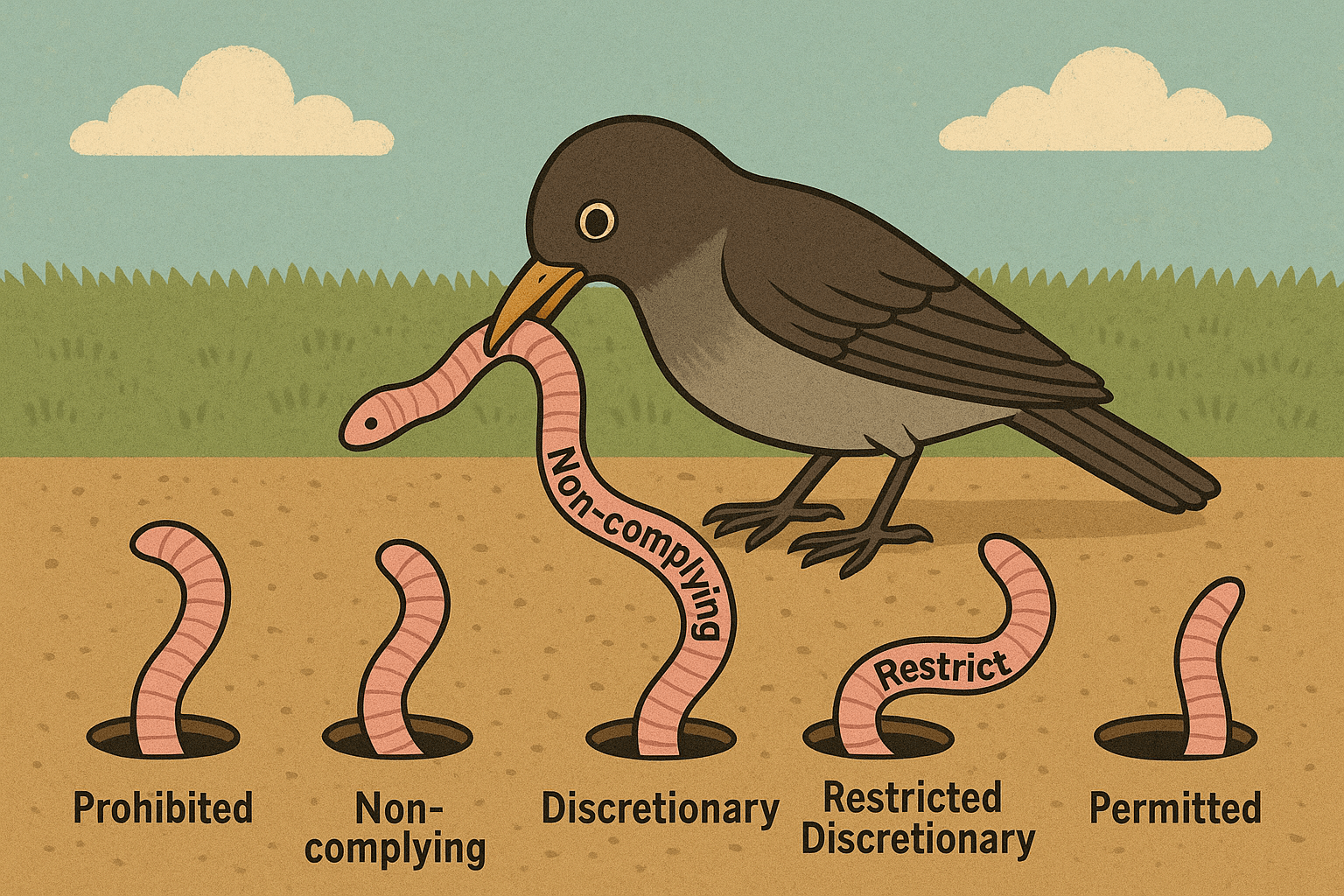
FYI. These are the possible activity statuses, from most to least restricted:
Prohibited: This is what it sounds like. The only way to get a new helipad would be to undertake a private plan change. This is what Mike is asking for in urban areas and we support that.
Non-complying: This is the best that is realistically possible for rural areas. It aligns with the provisions of the New Zealand Coastal Policy Statement and public sentiment. It puts the onus on the applicant to prove the worth and lack of adverse impacts of their proposal. This is what it should be in rural areas.
Discretionary: This would be a significant improvement on what we have as it would mean that all potential adverse impacts must be considered. But it wouldn’t convey community sentiment against the proliferation of helipads, nor would it reflect the ‘precautionary principle’ and requirement to ‘avoid’ adverse impacts of the NZCPS.
Restricted discretionary: This is what it is now. That’s not working out well for either of Waiheke’s human or avian populations. It presumes the consent can be granted and gives limited opportunity to consider any adverse effects except very lenient noise standards.
Permitted: This would be a disaster. There would be a lot more helipads and fewer controls. The recent Mowbray decision concluded that the activity status in the Auckland Unitary Plan is actually permitted. We want to be clear that we aren’t asking for that, hence the need to be specific about wanting a non-complying activity.
 Quiet Sky Waiheke